


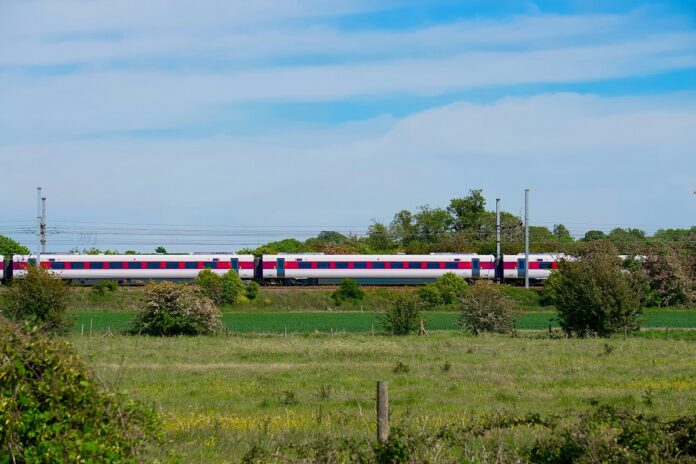
The UK is preparing to deliver one of the most ambitious infrastructure programmes in its modern history. Over the next decade, around £725 billion is expected to be invested across transport, energy, water and digital networks. Yet the Institution of Civil Engineers’ State of the Nation 2026 report makes clear that ambition alone will not guarantee delivery.
According to the report, the industry faces a “Herculean to-do list”. Decades of inconsistent investment, fragmented planning and skills shortages mean the sector is not yet equipped to deliver the scale of work now planned. Without immediate changes in how projects are funded, managed and delivered, there is a real risk that the strategy will fall short.
For rail businesses, the message is particularly relevant. Demand for rail is expected to grow as the UK pushes towards net-zero targets and seeks to shift passengers and freight away from higher-emission transport modes. At the same time, ageing infrastructure and a stretched supply chain present major challenges.
The report identifies several areas where change is essential: building supply chain capacity, accelerating innovation, improving collaboration, preparing for future demand and strengthening asset management. Together, these themes form a roadmap for how the rail sector can help deliver the government’s infrastructure ambitions.
Supply Chain Pressure and the Skills Challenge
One of the clearest warnings from the report concerns the capacity of the infrastructure supply chain. Delivering hundreds of billions of pounds of projects will place significant strain on an industry already facing shortages of skilled workers, equipment and specialist materials.
Large “A-list” projects such as HS2, Sizewell C and major road upgrades will compete for the same contractors, engineers and suppliers. This risks drawing resources away from smaller but equally important regional schemes.
Rail companies are already experiencing this pressure. Specialist roles in areas such as signalling, asset maintenance and systems engineering are in short supply, and training new professionals takes years. In many cases it can take five to seven years before a trainee becomes fully productive. But the work needs to be there to support businesses in developing these individuals.
The report therefore calls for a long-term infrastructure workforce strategy aligned with the national investment pipeline. Expanding training programmes now will ensure that the industry has the engineers, project managers and digital specialists needed when projects reach peak delivery.
For rail businesses, this means investing in apprenticeships, upskilling programmes and talent retention – so long as they are guaranteed work. Strengthening the supply chain is not simply about hiring more people; it is also about using resources more efficiently.
Modern logistics, improved equipment utilisation and off-site manufacturing can all help increase productivity.
Ultimately, building a resilient supply chain will be essential if the rail industry is to deliver major projects without escalating costs and delays. While this is not new news for the industry – it is an issue that buying organisations need to take seriously, and support.
Accelerating Innovation
The ICE report also argues that infrastructure delivery must become far more innovative. To build more infrastructure with limited resources, the industry must embrace new construction techniques, digital technologies and funding models.
Modern Methods of Construction, particularly off-site manufacturing and standardised components, offer significant potential to improve productivity. However, adoption across the sector remains inconsistent.
For rail projects, wider use of modular systems could reduce disruption and speed up delivery. Prefabricated signalling units, modular station buildings and standardised bridge designs all offer practical ways to industrialise construction.
Digital technology is another critical area. Tools such as drones, artificial intelligence and advanced data platforms can transform how infrastructure is planned and managed.
The National Underground Asset Register provides a strong example. This government-backed digital database maps buried pipes and cables, helping construction teams avoid accidental strikes and costly delays. By improving access to shared data, it removes inefficiencies that have long affected infrastructure projects.
The rail sector can benefit from similar digital approaches. Building Information Modelling, digital twins and predictive maintenance tools can help teams identify problems earlier, improve safety and streamline planning.
However, the report highlights a persistent challenge: the lack of common digital standards across the industry. Too often, organisations duplicate surveys or withhold information because systems are incompatible or trust is limited.
Greater interoperability and data sharing will be essential. Contracts may increasingly require open data standards and shared digital platforms so that all parties work from the same information.
Innovation must also extend to funding models. Delivering the infrastructure pipeline will require new ways of attracting investment.
A notable example is the recently reopened Northumberland Line in northeast England. The 29-kilometre railway was restored using a combination of government funding, local authority investment and contributions from private developers.
Local landowners, who expected property values to rise once the railway reopened, provided voluntary financial contributions. These funds helped unlock further public investment and accelerated delivery.
The result was a project delivered faster and more cost-effectively than many comparable schemes, with passenger demand quickly exceeding expectations.
For rail businesses, the lesson is clear: creative funding partnerships can help bring projects forward when traditional funding alone is insufficient.
Collaboration Across the Industry
The report emphasises that collaboration will be central to delivering the infrastructure strategy.
Historically, the construction sector has relied on adversarial contracting models that prioritise short-term cost over long-term value. This approach can discourage innovation and create barriers between clients, contractors and suppliers.
ICE argues that more collaborative delivery models are required. Long-term frameworks, alliance contracts and integrated project teams can align incentives across the supply chain.
When companies have visibility of future work pipelines and a stake in project outcomes, they are more willing to invest in new skills, equipment and technologies.
The rail industry has already experimented with alliancing models on certain projects, but these approaches could be adopted more widely.
The creation of the National Infrastructure and Service Transformation Authority also presents an opportunity to improve coordination across sectors and provide clearer visibility of future projects.
Transparency in the national infrastructure pipeline will help suppliers plan investment and prepare for upcoming work.
Cross-sector collaboration can also generate innovative solutions. For example, partnerships between Network Rail and farmers in the Cotswolds have helped reduce flooding risks by restoring natural watercourses upstream of vulnerable railway lines.
Such initiatives demonstrate how collaboration beyond the traditional supply chain can deliver both environmental and operational benefits.
Preparing for Growth and Net Zero
Beyond the challenge of delivering projects, the rail sector must also prepare for changing transport patterns.
If the UK is to meet its climate targets, rail will play a larger role in moving both passengers and freight. Rail travel produces significantly lower emissions than road or aviation, making it central to the shift towards cleaner transport.
The Northumberland Line provides a glimpse of this future. Within months of opening, passenger numbers exceeded initial forecasts, highlighting strong demand for reliable rail services.
Meeting this demand will require increased network capacity. Digital signalling, new lines and targeted upgrades will all play a role.
At the same time, the sector must reduce its own carbon footprint. Electrification remains the most effective long-term solution for decarbonising rail operations, although battery and hydrogen technologies may support routes where electrification is less practical.
Construction and maintenance activities also need to become more sustainable. Electric construction equipment, low-carbon materials and improved energy management can significantly reduce project emissions.
Digital tools will support these changes by improving operational efficiency, optimising energy use and helping operators manage increasingly complex networks.
Maintaining the Existing Network
While much attention focuses on new infrastructure, the report warns that ageing assets must not be overlooked.
Across the UK, many infrastructure networks are approaching the limits of their design life. Deferred maintenance can lead to safety risks, service disruptions and higher long-term costs.
Rail infrastructure is no exception. Bridges, tunnels, track and signalling equipment require constant renewal to remain reliable.
The government’s infrastructure strategy acknowledges the need to rebalance investment between new construction and asset maintenance. For rail, this may mean increased funding for track renewals, structural upgrades and climate resilience measures.
Digital monitoring technologies can also improve asset management. Sensors embedded in bridges or track systems can detect early signs of deterioration, allowing engineers to intervene before problems escalate.
Predictive maintenance tools, supported by real-time data, can help rail operators prioritise repairs more effectively.
By treating maintenance as a strategic priority rather than a secondary task, the industry can protect existing infrastructure while expanding the network.
A Moment for Change
The State of the Nation 2026 report presents both a warning and an opportunity. The UK’s infrastructure ambitions are vast, and delivering them will require a fundamental shift in how the industry operates.
For the rail sector, the message is straightforward. Strengthen the supply chain, embrace innovation, collaborate more effectively and invest in both new infrastructure and existing assets.
If these changes take place, the coming decade could transform Britain’s railways. If not, the risk is that the scale of ambition outpaces the industry’s ability to deliver.
As ICE President David Porter noted, this moment demands a step change in productivity, skills and collaboration. With the right approach, the rail industry can play a central role in delivering the infrastructure Britain needs for the future.


