


Network Rail and DfT Operator (DFTO) are bringing their communications functions under a single leadership structure, in another practical move towards greater integration ahead of the creation of Great British Railways.
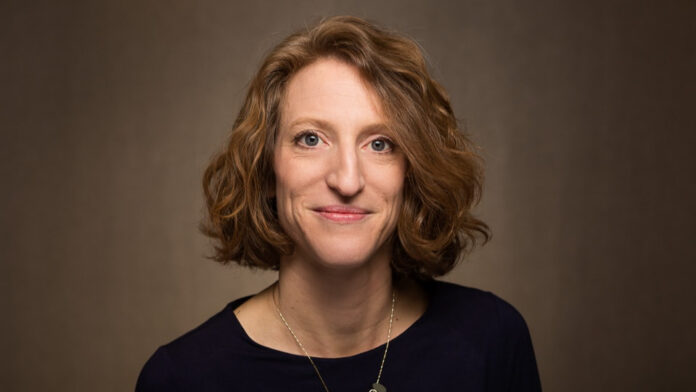
Molly Neal, currently Network Rail’s Group Director of Communications, has been appointed Integrated Communications Director across both Network Rail and DFTO.
The new position will see Neal lead communications across Network Rail, DFTO and publicly owned train operating companies during the transition to GBR, creating a more coordinated approach to how the industry communicates with passengers, employees, stakeholders and the wider public.
She will sit on the Executive Leadership Teams of both Network Rail and DFTO and become Head of Profession for corporate affairs and communications across the organisations.
Bringing track and train communications together
The appointment reflects the wider structural changes taking place across the railway, with infrastructure and passenger operations being brought closer together ahead of GBR.
For the first time, a single communications leadership function will span Network Rail and DFTO, covering internal communications, media relations, digital and social media, public affairs, stakeholder engagement, behaviour change campaigns and community relations.
The intention is to reduce fragmentation between organisations and create greater consistency around industry messaging during a period of substantial change.
Jeremy Westlake, Chief Executive of Network Rail, said: “Bringing track and train together isn’t just about operations – it is about how we listen to and talk with our passengers. Molly’s appointment represents a critical step forward in delivering a clear, joined-up voice for the railway.
“Under her leadership, a unified communications approach will ensure passengers receive transparent, consistent information as we transform the network into a modern, integrated railway.”
Supporting publicly owned operators
Neal’s remit will extend beyond the two central organisations to include the train operators within DFTO as the public ownership programme progresses.
That creates a communications structure spanning infrastructure management and a growing number of passenger operators, with Neal tasked with providing common leadership while GBR is established.
Alex Hynes, Chief Executive of DFTO, said: “As we build the foundation for Great British Railways, seamless collaboration across all parts of the industry is essential. Molly brings exceptional strategic vision to this new role.
“Aligning our communications across DFTO and Network Rail ensures that both organisations are aligned behind a single, shared vision for the future of rail.”
More than 20 years’ communications experience
Neal brings more than two decades of communications and corporate affairs experience across infrastructure, energy, property, media and financial services.
As Network Rail’s Group Director of Communications, she has already been closely involved in communications surrounding the transition towards GBR.
Before joining the railway, Neal held senior leadership positions at National Grid and Landsec. She also spent around a decade working in journalism, predominantly at The Wall Street Journal.
Her new role will include responsibility for delivering improvements in areas including public trust, stakeholder confidence and workforce engagement during the transition.
Molly Neal said: “This is a pivotal moment for the rail industry, and I’m focused on ensuring our customers, stakeholders and dedicated workforce are at the heart of the journey towards Great British Railways.
“Creating a single communications function across the railway will enable us to speak with one voice, build deeper public trust and clearly demonstrate the tangible benefits an integrated railway can deliver for customers, communities and the wider economy.”
Practical integration ahead of GBR
While communications sits outside the operational and engineering changes that will ultimately determine the performance of the railway, the appointment is significant because it demonstrates another area where Network Rail and publicly owned passenger operations are beginning to work through a common structure ahead of GBR.
The transition will require substantial organisational change across the industry, affecting not only structures and responsibilities but thousands of employees and relationships with passengers, suppliers, local authorities and other stakeholders.
Consistent communication will therefore be particularly important as responsibilities move between existing organisations and the future GBR structure.
For the industry, Neal’s appointment provides another indication that integration is beginning to take place ahead of the formal establishment of Great British Railways. Rather than waiting for the new organisation to be fully formed, Network Rail and DFTO are starting to align functions where a common approach can support the transition.


