


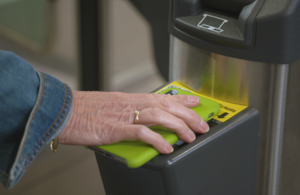
The Government has announced a £33.4 million investment to install new ticket gates at stations across England as part of wider rail reforms designed to tackle fare evasion and protect revenue for reinvestment in the railway.
The funding will support the installation of new ticket barriers at stations and platforms identified as fare evasion hotspots, with work expected to begin during the first half of 2027 and the initial rollout completed by mid-2028.
The programme forms part of preparations for Great British Railways (GBR), with ministers positioning the investment as part of a broader drive to create a more accountable, integrated and financially sustainable railway.
£400m revenue at risk each year
According to the Government, fare evasion places up to £400 million of railway revenue at risk annually, reducing funds available for investment in infrastructure, rolling stock and passenger improvements.
The new barriers will include a mix of traditional waist-high ticket gates alongside taller gates designed to prevent passengers jumping barriers. The equipment will support both traditional paper tickets and digital ticketing, while also allowing passengers to tap in and out where contactless Pay As You Go travel is available.
Rail Minister Lord Peter Hendy said:
“Fare evasion is not a victimless crime – it undermines confidence in the railway and means passengers lose out on millions in revenue, which should be invested to improve services for everyone.
“By stopping fare dodgers before they reach the platform, we’re protecting taxpayer cash, supporting investment in the network and ensuring the railway works better for the millions of passengers who do the right thing every day by paying their way.
“As we deliver significant reform across our railways in the lead-up to Great British Railways, we are creating a truly joined-up railway, which is more accountable and better equipped to deliver the reliable, modern railway passengers deserve, to create jobs, growth and homes.”
Stations identified for first phase
Funding has been allocated to operators for installations at a number of stations where ticket gates are currently absent.
The first phase includes:
- Avanti West Coast: Stafford and Liverpool Lime Street
- East Midlands Railway: Market Harborough
- Greater Anglia: Witham, Rayleigh, Ware, Hertford East and Manningtree
- Thameslink, Southern and Great Northern: Royston, Stevenage, Elephant & Castle, Worthing and Gipsy Hill
- TransPennine Express: Manchester Piccadilly
- West Midlands Trains: Tamworth, Nuneaton, Worcester Foregate Street and Worcester Shrub Hill
The Government said this represents the first stage of a wider programme, with further installations potentially rolled out across England and the wider UK in future.
Part of wider ticketing reforms
The investment sits alongside a series of ticketing reforms being introduced ahead of the creation of Great British Railways.
These include the continued expansion of contactless Pay As You Go travel, digital ticketing trials in the East Midlands and South Yorkshire, and the development of a new GBR mobile app that will combine journey planning, ticket purchasing and passenger support within a single platform.
The Government has also confirmed that passengers will, in future, be able to claim Delay Repay compensation directly through the retailer from whom they purchased their ticket, simplifying what is currently a fragmented process.
Supporting financial sustainability
The announcement reflects the growing focus on improving the railway’s financial performance as passenger numbers continue to recover.
By reducing deliberate ticketless travel, ministers hope to retain more revenue within the industry, supporting investment in network maintenance, rolling stock improvements and customer experience without increasing the burden on taxpayers.
While the rollout is primarily aimed at tackling fare evasion, it also signals the direction of travel under Great British Railways, where integrated ticketing, digital technology and stronger revenue protection are expected to play a central role in delivering a more efficient and passenger-focused railway.


