


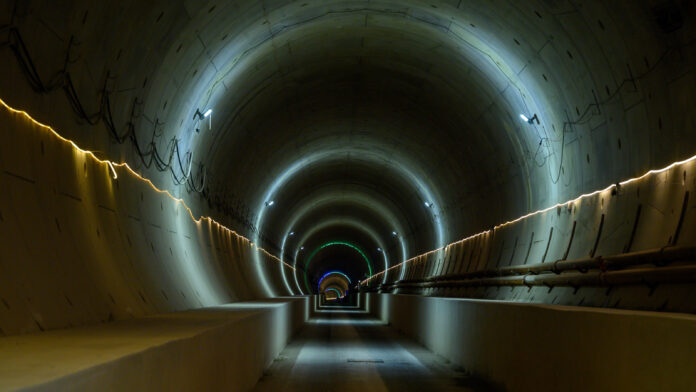
Construction works on HS2’s longest tunnel have now been completed, marking a significant civil engineering milestone for Britain’s new high-speed railway.
HS2 Ltd has confirmed the close of work at two final ventilation shafts at Chesham Road and Little Missenden, bringing to an end nearly five years of intensive construction activity on the 10-mile Chiltern tunnel. Once fully fitted out in later phases, the twin-bore tunnel will carry trains travelling at up to 200mph, allowing services to pass beneath the Chilterns in just three minutes.
Main construction began in May 2021, when two 2,000-tonne tunnel boring machines were launched from the southern portal near the M25 at Maple Cross. Five deep ventilation and access shafts – reaching depths of up to 78 metres – were completed in advance, with understated headhouse designs by Grimshaw Architects intended to blend into the surrounding Chiltern landscape.
The TBMs progressed northwards at an average rate of 16 metres per day, breaking through near Great Missenden in early 2024. Since then, teams have completed porous portal extensions, installed internal walkways and fitted out 40 cross passages linking the two bores. The Chiltern tunnel becomes the second of HS2’s five twin-bore tunnels to reach structural completion, following Long Itchington Wood tunnel in Warwickshire last year.
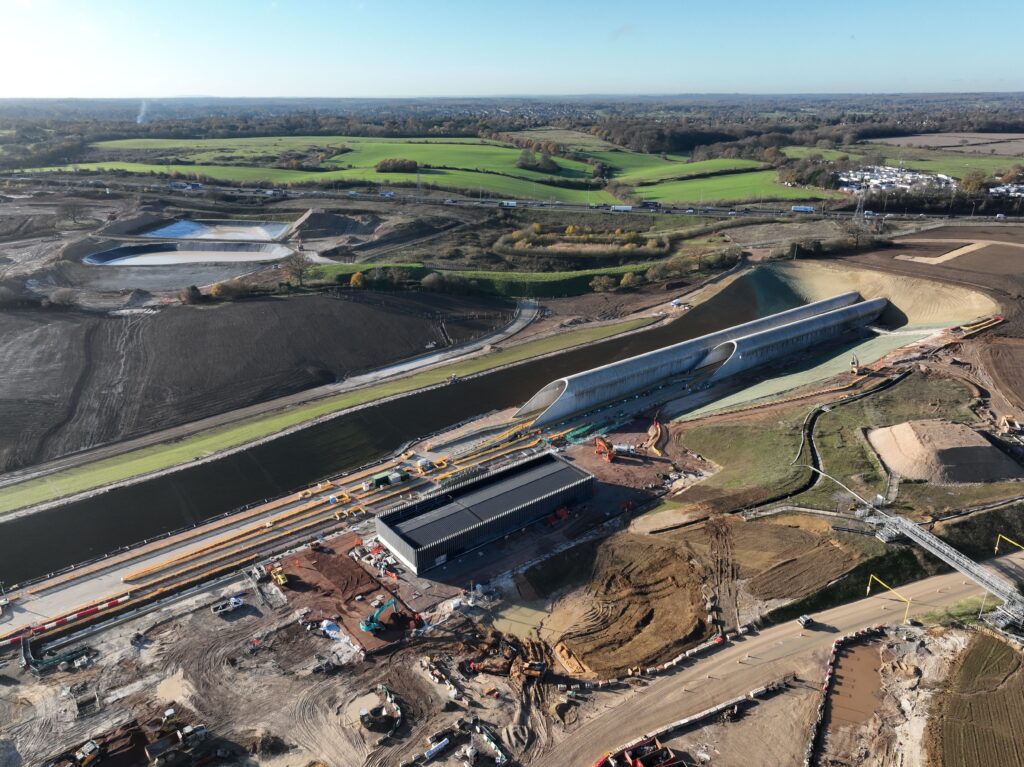
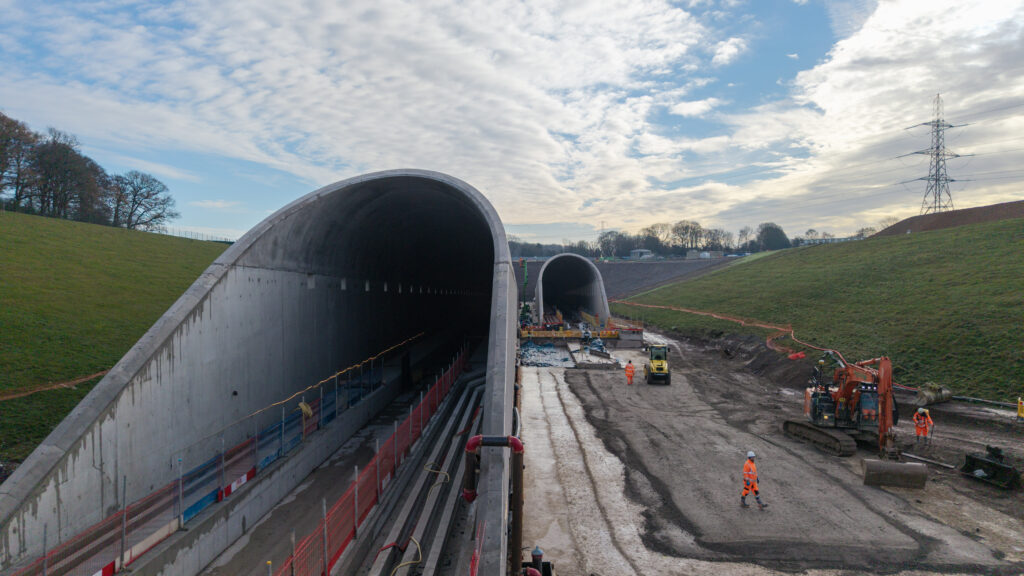
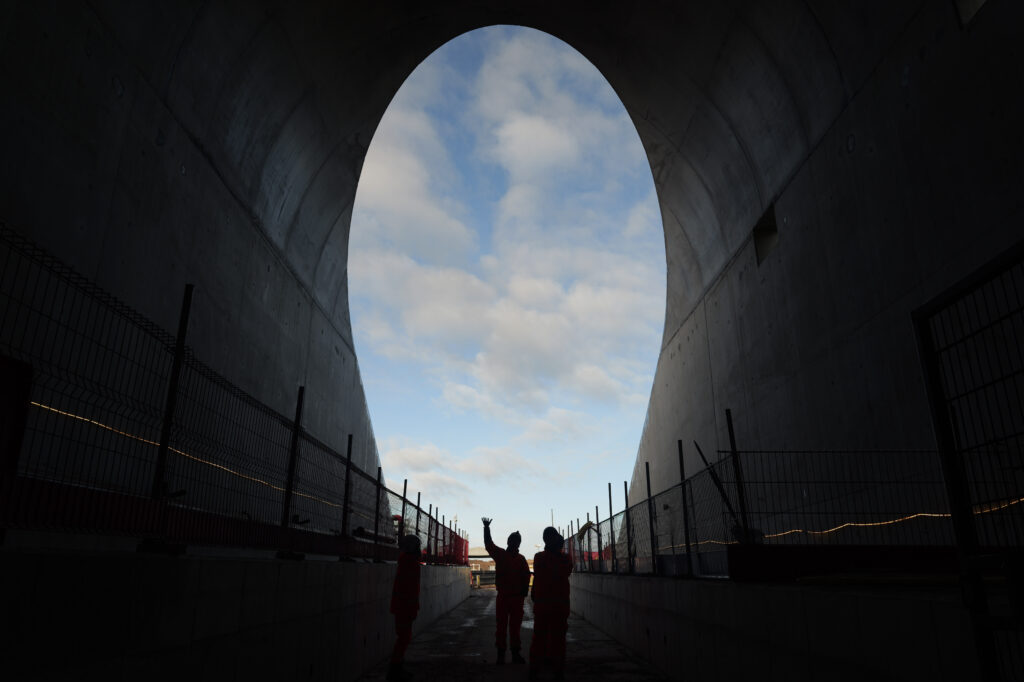
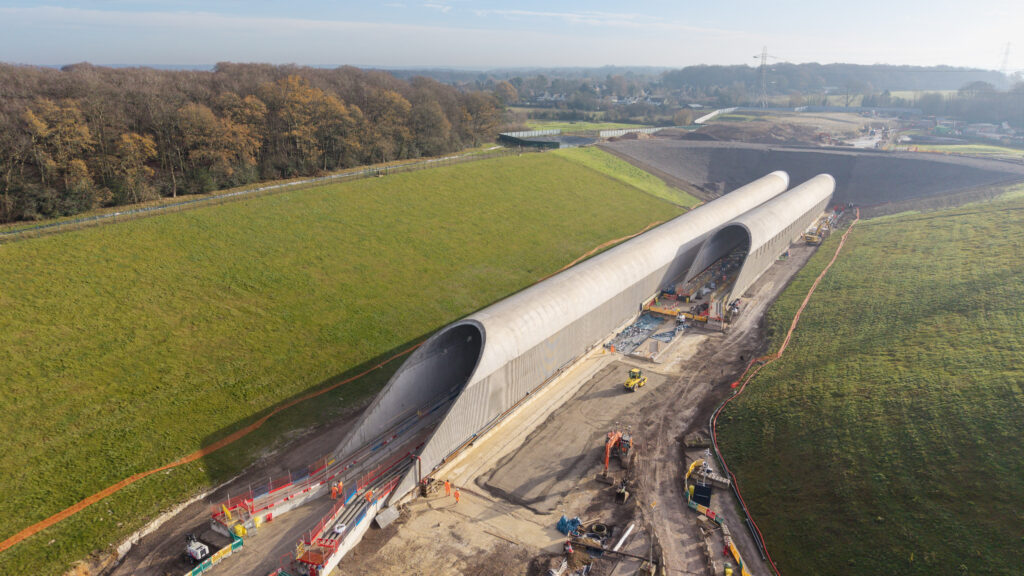

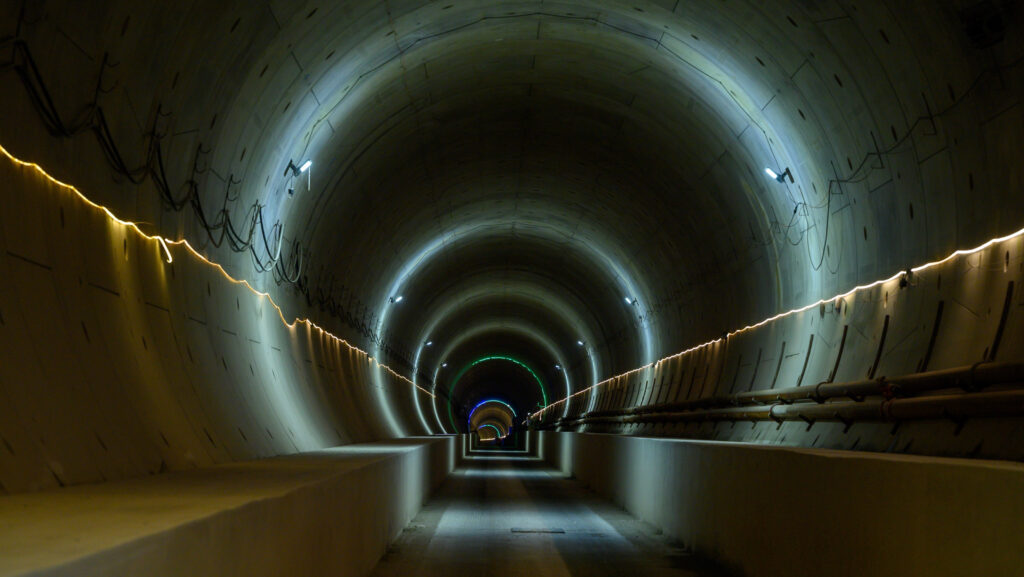
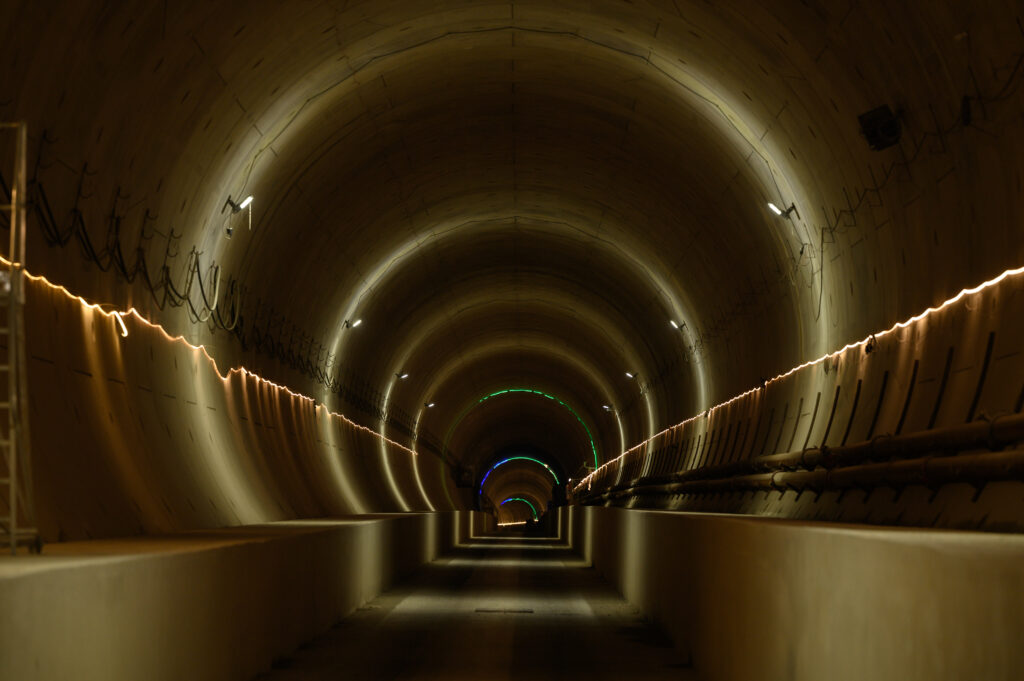
Construction was delivered by Align JV, a joint venture between Bouygues Travaux Publics, Sir Robert McAlpine and Volker Fitzpatrick. Mark Clapp, HS2 Ltd’s head of civil engineering for the tunnel, described the project as a rare opportunity in a civil engineer’s career, praising the collaboration between HS2 Ltd, Align and the wider supply chain.
Align JV project director Adrien Baudard said the project had set new benchmarks in tunnelling, highlighting advances in safety, productivity and sustainability, alongside training opportunities for future engineers.
During the 33-month excavation, the TBMs – Florence and Cecilia – removed around three million tonnes of chalk. Rather than being transported away by road, the material has been reused on site to create more than 120 hectares of chalk grassland around the southern portal, expanding Hertfordshire’s rare chalk grassland habitat by almost 20% and supporting long-term biodiversity gains.
With the civil engineering phase complete, the tunnel will now move into mechanical, electrical and plumbing fit-out, with design work already under way and enabling works starting this year. Installation of track and overhead line equipment will follow, bringing the tunnel closer to operational readiness.
While the completion of the Chiltern tunnel marks clear progress, HS2 Ltd has reiterated that significant work remains across the wider route. Chief executive Mark Wild continues to lead a comprehensive reset of the programme, aimed at delivering the remainder of the railway as efficiently as possible and at the lowest reasonable cost.