
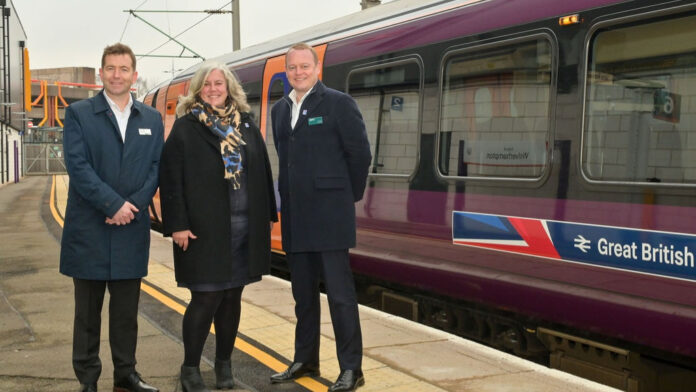
London Northwestern Railway and West Midlands Railway services have returned to public ownership from 1 February 2026, marking another significant milestone on the path to Great British Railways (GBR) and a more integrated national rail network.
The transfer brings both sides of the West Midlands Trains (WMT) operation into public ownership, meaning services running between Liverpool, Birmingham and London Euston on the West Coast Main Line, as well as regional routes across the West Midlands, are now run by the public, for the public. With this move, publicly owned operators will account for around half of all rail journeys that GBR will ultimately oversee.
Ministers say the change is a further step towards a simpler, more unified railway focused on reliability, affordability and passenger needs. It also coincides with the government’s decision to freeze rail fares for the first time in three decades.
The services play a critical role in supporting the Midlands economy, connecting people to jobs, education and opportunities across the region and beyond. The government argues that better integration between operators, infrastructure and fares under GBR will help unlock housing growth, inward investment and stronger local economies from Liverpool to London.
Transport Secretary Heidi Alexander said the transfer demonstrated the government’s commitment to reforming what she described as a fragmented system. She said publicly owned services would be “run with passengers’ interests at heart”, helping to rebuild trust and deliver the standards customers expect.
West Midlands Trains managing director Ian McConnell described public ownership as an opportunity to build on recent progress, including the introduction of more than 100 new trains, upgraded depots and stations, and plans to open five new stations later this year. The operator is also rolling out pay-as-you-go ticketing across 75 locations, enabling seamless tap-in, tap-out travel.
Local and regional leaders have welcomed the move. The West Midlands Mayor, Richard Parker, said public ownership was about more than branding and would support efforts to improve reliability, reduce overcrowding and create a genuinely integrated public transport system across rail, bus and tram. Business groups also highlighted the importance of strong rail connectivity in supporting growth, skills and competitiveness across the region.
West Midlands Trains becomes the eighth operator under DfT Operator Limited (DFTO), joining Greater Anglia, c2c, Northern, TransPennine Express, Southeastern, LNER and South Western Railway. Govia Thameslink Railway is due to transfer into public ownership in May 2026, with Chiltern Railways and Great Western Railway expected to follow. The government aims to complete the full public ownership programme by the end of 2027.
The transfer comes as legislation to establish Great British Railways continues through Parliament, setting the framework for a single guiding mind for track and train, and a railway designed to deliver reliable, safe and better-value journeys for passengers and freight customers alike.