


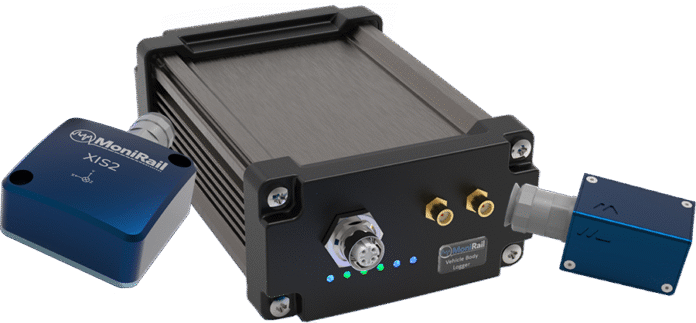
MoniRail has secured £1.25 million in government funding to further develop its quantum navigation system for use on the London Underground, as part of a collaborative cross-industry project. The award forms part of the UK Government’s wider £14 million investment in quantum technologies designed to unlock innovation across sectors including transport, healthcare and climate solutions.
The funding supports the Rail Quantum Inertial Navigation System (RQINS) Project Maturity Roadmap Development, which aims to refine quantum-based navigation technology that could help trains run more reliably and on time. MoniRail is working with Transport for London, QinetiQ, PA Consulting, Imperial College London and the University of Sussex on the initiative, with potential for future application across the national rail network.
The investment comes through the National Quantum Technologies Showcase, which brings together researchers, investors and policymakers to accelerate quantum innovation. The government anticipates that quantum technologies could contribute £11 billion to UK GDP and create more than 100,000 jobs by 2045.
MoniRail has been a longstanding advocate for quantum-based systems, highlighting their potential to improve train positioning accuracy, lower maintenance costs and offer alternatives to traditional signalling methods.
Founded from two decades of research at the Birmingham Centre for Railway Research and Education (BCRRE), MoniRail focuses on improving maintenance strategies and network reliability through advanced condition monitoring. Its sensors, installed on in-service trains, provide a non-intrusive way to monitor track condition and detect train and infrastructure faults in real time.
Peter Ainsworth, CEO at MoniRail, said:
“This funding marks an exciting milestone for the MoniRail team and our partners. It is a testament to the hard work that we have undertaken so far and highlights the advantages that quantum technology can deliver across a range of industries. We look forward to working further with London Underground further to develop our technology, helping to ease existing burdens and support the network to run efficiently and on time.”
Steve Venables, Senior Engineer at Transport for London, said:
“Being a partner in the RQINS project has highlighted the transformative potential of quantum navigation and the importance of continued investment and collaboration to bring these innovations to life. We commit our support and partnerships with industry and academia to deliver tangible benefits to the UK rail infrastructure, with a focus on real-world impact and long-term resilience. We look forward to being part of the development roadmap in this next phase of UKRI funding.”
The funding supports ongoing government efforts to accelerate quantum innovation and strengthen the UK’s position in emerging technologies.


