
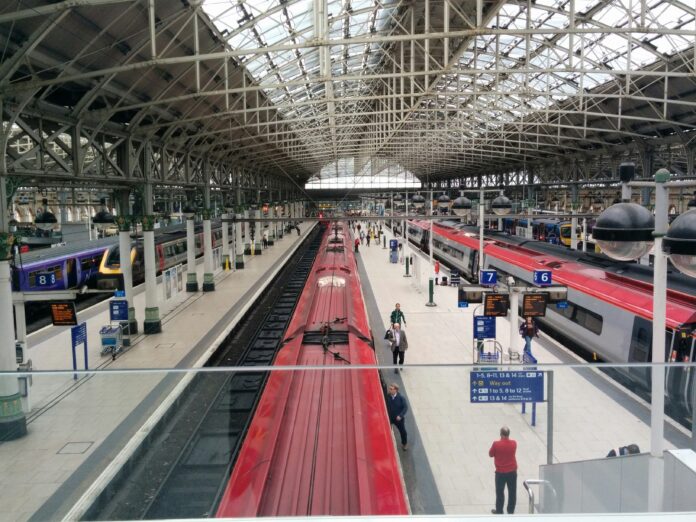
Northern Powerhouse Rail (NPR) promises the most significant upgrade to transport in the North of England in a generation. By connecting key city regions – from Liverpool and Manchester to Leeds, Bradford, Sheffield, Newcastle and more – NPR will dramatically cut journey times and increase train frequency. But for years, like HS2, it has been a political football – with changing opinions on how it should be delivered or its cost creating further delays.
The benefits, from the point of view of the UK rail industry, are clearly evident. Faster, more reliable commutes will expand labour markets, allowing businesses to tap into a wider talent pool and people to access better job opportunities across city lines. The economic uplift is projected to be substantial: closing the North’s productivity gap with the national average could inject on the order of £40 billion per year into the UK economy. This transformative rail investment will help create tens of thousands of new jobs during construction and operation, while stimulating urban regeneration and housing development around new and improved stations. Towns and cities long held back by underinvestment can expect revitalized high streets, new homes, and rising productivity as NPR strengthens connections and makes the North a more attractive place to live, work and invest.
Social benefits will be felt in communities large and small. By linking people to opportunities and services, NPR can improve quality of life – whether it’s a shorter commute giving families more time together, or easier travel to education and training. Crucially, better connectivity means better-paid jobs staying in the region, rather than talent draining south due to poor transport links. Major Northern hubs like Manchester, Leeds and Liverpool will act as anchors for growth, but smaller towns along the routes will also see increased investment.
NPR is not just about laying track – it’s about uniting the North into a single economic powerhouse and ensuring prosperity is shared more evenly across the country. This is the key point to remember within this project.
Empowering SMEs and the Supply Chain
A key priority of NPR and related infrastructure plans is to actively support small and medium-sized enterprises (SMEs) in the rail and construction supply chain. We are all acutely aware of the challenges faced by rail SMEs over the last few years, and the barriers faced to winning sizeable contracts to sustain activity.
NPR is poised to change that by adopting procurement practices that give smaller companies a fair chance to compete and collaborate. Under new government procurement reforms, tender processes are becoming simpler and more transparent, with an emphasis on opening opportunities to a wider pool of suppliers. Rather than bundling work into a few giant contracts, projects can be broken into phases or lots that SMEs are well-equipped to deliver. This means a local signalling technology startup or a family-run construction subcontractor could directly participate in delivering parts of NPR.
Empowering SMEs will strengthen the overall supply chain’s resilience and innovation capacity. Smaller firms often bring agile thinking and niche innovations – whether it’s a new digital tool for managing rail traffic or a greener construction method. Industry initiatives such as “meet-the-buyer” events and regional supply chain networks will connect these businesses with NPR’s main contractors, ensuring even the tiniest companies can showcase their capabilities. By weighting social value and regional impact in contract awards, NPR’s procurement can reward bidders that plan to use local suppliers or create apprenticeships in the North. The result will be a more level playing field where SMEs flourish alongside large firms. For the rail supply chain, this inclusive approach unlocks creativity and competitiveness, ultimately delivering better value for money and more home-grown expertise. And as Northern SMEs grow by serving NPR, they can become exporters of rail technology and services, further boosting the UK’s industrial base.
Diverse Opportunities Across the Rail Sector
NPR’s multi-billion investment will generate opportunities across a wide range of industries and skill areas. In particular, it will drive growth in:
- Civil Engineering and Construction: Designing and building new railway lines, tunnels, bridges and viaducts across challenging terrains (like the Pennines) will demand vast civil engineering expertise. Northern construction firms and engineers will be engaged in major earthworks, track laying, and delivering landmark projects such as new stations and route upgrades. This not only creates construction jobs for the longer term but leaves a legacy of improved infrastructure capacity that will have longer term benefits from a skills perspective for the rest of the railways.
- Rolling Stock Manufacturing: A new high-speed rail line means a need for new trains. NPR will likely procure advanced rolling stock to serve the upgraded network, presenting a huge opportunity for train manufacturers and their component suppliers. With the North already home to train factories and engineering talent, orders for NPR’s fleet could stimulate manufacturing in the region – from assembly of carriages and engines to innovation in battery-electric or hydrogen train technology to support decarbonization.
- Station Redevelopment and Regeneration: NPR includes building or transforming stations at key hubs – for example, a new underground through-station at Manchester Piccadilly and a new interchange at Warrington Bank Quay. Architects, developers and urban planners will have opportunities to design world-class, accessible stations that integrate with surrounding development. Each station project can act as a catalyst for regenerating downtown areas, creating commercial space, housing and civic amenities around a modern transport hub.
- Skills and Innovation: Delivering NPR will require a skilled workforce – from rail technicians and project managers to digital specialists. Programs are being put in place to train local people in railway engineering, construction trades, and advanced skills like 3D design and data analytics. Initiatives such as new or expanded rail training colleges and apprenticeships will ensure local talent is developed to fill these roles. At the same time, NPR will serve as a platform for innovation: the project is set to incorporate cutting-edge technologies like digital signaling systems, smart infrastructure monitoring and low-carbon materials. This fosters a culture of innovation in the region’s rail industry, encouraging startups and research institutions to pilot new solutions on the network.
Collaboration, Procurement Reform and Inclusive Growth
NPR’s delivery model emphasises regional collaboration and inclusive growth across the UK supply base. The project is being developed in partnership with regional authorities (through bodies like Transport for the North and newly empowered combined authorities) to ensure local priorities are reflected – and this needs to remain the core to the decision-making process for NPR.
City mayors and councils across the North are working together rather than in isolation, coordinating land use, housing and skills plans alongside the rail investment. This collaborative approach means the benefits of NPR will be spread widely – not just concentrated in one or two big cities – and that each region’s needs (from Lancashire to Tyneside) are considered in the phasing of the network.
In tandem, the government’s commitment to procurement reform is enabling more inclusive growth. The adoption of the Procurement Act and lessons learned from past megaprojects mean NPR’s contracts will be structured to avoid the stop-start uncertainty that plagued previous schemes. Clear, committed funding and timelines give businesses confidence to invest in the people and equipment needed. Early contractor engagement and realistic project pipelines help avoid wasteful delays or redesigns. Crucially, procurement criteria now place weight on social and economic value – incentivising contractors to form local partnerships, create jobs in disadvantaged areas, and reduce carbon footprints.
By selecting bids that offer community benefits (not just the lowest cost), NPR’s procurement can drive ‘levelling up’ within the supply chain itself – encouraging large contractors to team up with regional SMEs, and ensuring that suppliers from across the UK can participate. This approach supports an inclusive national supply base, where a steel fabricator in the North East, a software firm in the Midlands, or a surveying company in Wales can all win work on NPR. In effect, the project becomes a vehicle for uniting the country’s industrial strengths, with the North as the focal point.
Advancing Levelling Up, Regional Innovation and Decarbonisation
Finally, Northern Powerhouse Rail aligns squarely with Britain’s broader goals of levelling up, fostering regional innovation, and decarbonising transport. By investing ambitiously in the North’s connectivity, the government is acting to rebalance the economy – creating the conditions for the North to thrive on par with the South. This is the physical backbone of the levelling up agenda: infrastructure that knits together cities into one economically dynamic region. As a result, places that were once left behind can better attract investment, and young people growing up in the North can pursue high-skilled careers at home rather than moving away.
NPR also contributes to a more innovative UK. Improved rail links will knit together the North’s many centres of excellence – from advanced manufacturing in South Yorkshire to digital tech in Manchester and life sciences in Liverpool – spurring collaboration between industries and academia. When talent and ideas flow more freely between cities, regional innovation ecosystems flourish. Moreover, the project itself will harness British engineering ingenuity, providing a testbed for new technologies in rail. By supporting local suppliers and startups in its delivery, NPR helps build a culture of innovation outside the traditional hubs.
Crucially, Northern Powerhouse Rail is a green investment aligned with the drive to decarbonise. Shifting more travel from cars and planes onto electrified, high-capacity trains will cut carbon emissions and air pollution. NPR’s new and upgraded lines are expected to be electrified or designed for clean propulsion, supporting the goal to remove diesel-only trains and meet Net Zero targets by 2050. The network will also boost rail freight capacity, enabling more goods to move by cleaner rail instead of long-haul trucks. In combination with renewable energy powering the trains, the North’s rail corridor can become a flagship for sustainable transport.
Northern Powerhouse Rail is far more than a transport project – it is a long-term plan to ignite economic growth, empower local businesses, and deliver a more connected, innovative and greener future for the North of England and the entire UK. For rail professionals and supply chain partners, NPR presents a once-in-a-generation opportunity to be part of building that brighter future. It embodies the vision of a levelled-up, modern Britain where prosperity is shared, innovation is unlocked, and decarbonisation is driven forward through world-class infrastructure.