


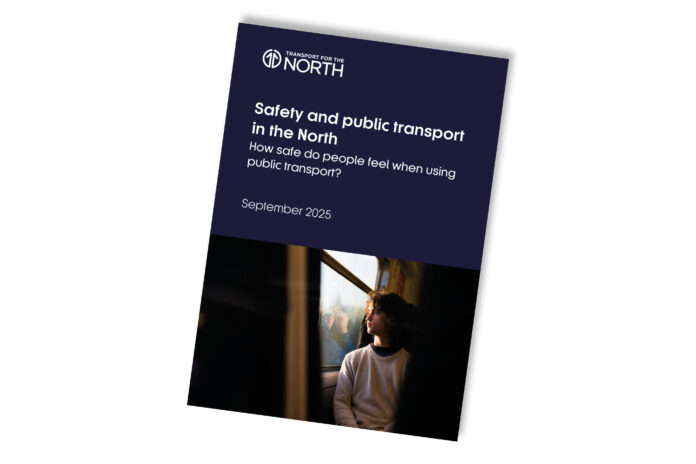
Residents across the North of England are fundamentally changing how, when, and whether they use public transport due to serious concerns about personal safety, according to a new report published today by Transport for the North (TfN).
The “Safety and Public Transport in the North” report, based on extensive research including an online survey of over 900 people and seven focus groups, highlights how the perception and experience of personal safety are directly influencing behaviour and access to public transport across the region.
The findings underscore a significant link between perceived risk and travel choices, often leading to people avoiding public transport entirely and potentially deepening transport-related social exclusion.
Key Findings and Disproportionate Impact
The research reveals several critical points about how safety concerns are affecting travel across the North:
- Personal safety concerns influence whether, when, and how residents travel.
- Perceptions of safety—often shaped by media and second-hand accounts—can outweigh personal experience.
- Women, ethnic minorities, LGBTQ+ and disabled passengers face a disproportionate burden in staying safe.
- Feelings of safety decline sharply after dark, especially during the “first and last mile” of journeys, referring to the walk to or from a transport stop.
- Low levels of incident reporting suggest limited confidence in issues being resolved.
- Trains are generally seen as safer than buses.
Respondents were clear that improvements to staffing, CCTV, lighting, reporting mechanisms, and safe travel planning are strongly supported, but should be funded by the government or operators, not through higher fares or local taxes.
Impact on Quality of Life
Katie Day, Deputy Chief Executive of Transport for the North, said: “This research shines a light on the real-life concerns of people across the North when it comes to personal safety on public transport. While most journeys are incident-free, perceptions of risk are shaping decisions, with some people avoiding buses, trains or trams altogether. This not only affects individuals’ quality of life but can also deepen transport-related social exclusion. Everyone should feel confident using public transport, whatever the time of day and whatever their background.”
The findings underline the need for transport planners and investors to embed safety considerations into every stage of development. TfN plans to use the evidence to continue working with combined and local transport authorities, as well as regional and national partners, to make the case for investment and change that enables safer and more inclusive journeys across the North.
Report downloads
Safety and public transport in the North – Full report
Safety and public transport in the North – Summary report
Safety and public transport in the North – Appendix 1 – Survey results


