


The railway industry faces a stark challenge: an ageing workforce, persistent skills shortages, and an urgent need for fresh talent.
Over 30% of the UK’s railway workforce is aged 50 or over, with significant retirement waves expected throughout the next decade. Yet traditional recruitment methods (reactive hiring and high turnover) continue to dominate.TES 2000 (TES) invests in a people-first approach through community engagement, structured training, and long-term career support.
TES, a railway infrastructure contractor, specialising in Projects, OHL Construction & Isolation, Possession Management, and Track Projects, has taken a different path. For over 30 years, the Colchester-based family business has built its reputation not just on technical delivery, but on something more fundamental: investing in people from day one.
“For us, it starts with making the rail industry a place people genuinely want to build their future,” said Bianca Molloy, Joint Managing Director at TES. “Looking after our people is about more than doing the right thing; it’s how we create a skilled, motivated workforce and deliver for our clients. We want people to see rail as a long-term career, not a short-term job, which means engaging with them early and supporting them as they grow, often before they’ve chosen a clear career path.”
The Catalyst for Change: The Sussex Success
TES implemented this approach during the mobilisation of the Sussex contract in 2025. Unlike many projects, Sussex offered no TUPE transfer; TES started with a “blank sheet” and the task of recruiting 60 qualified people from scratch.
“There was understandably a lot of hesitation in the area when word got around,” recalled Bianca Molloy. “People wanted to know if we were trustworthy”.
To build that trust, TES focused on the human side:
- Every manager was present and supportive from the start.
- One-on-one meetings were held to alleviate individual concerns.
- Open days, in partnership with the Client, were organised for those thinking of joining the team.
- The company focused on honesty and transparency rather than making empty promises.
On day one, Sussex was fully staffed, compliant, and ready to deliver, not by luck, but through planning and clear communication.
Traditional recruitment approaches struggle to meet the demand in the rail industry. Many companies wait until a vacancy appears, advertise the role, and hope for qualified applicants. When they don’t materialise, agencies fill the gap at considerable cost and often without long-term commitment to the sector.
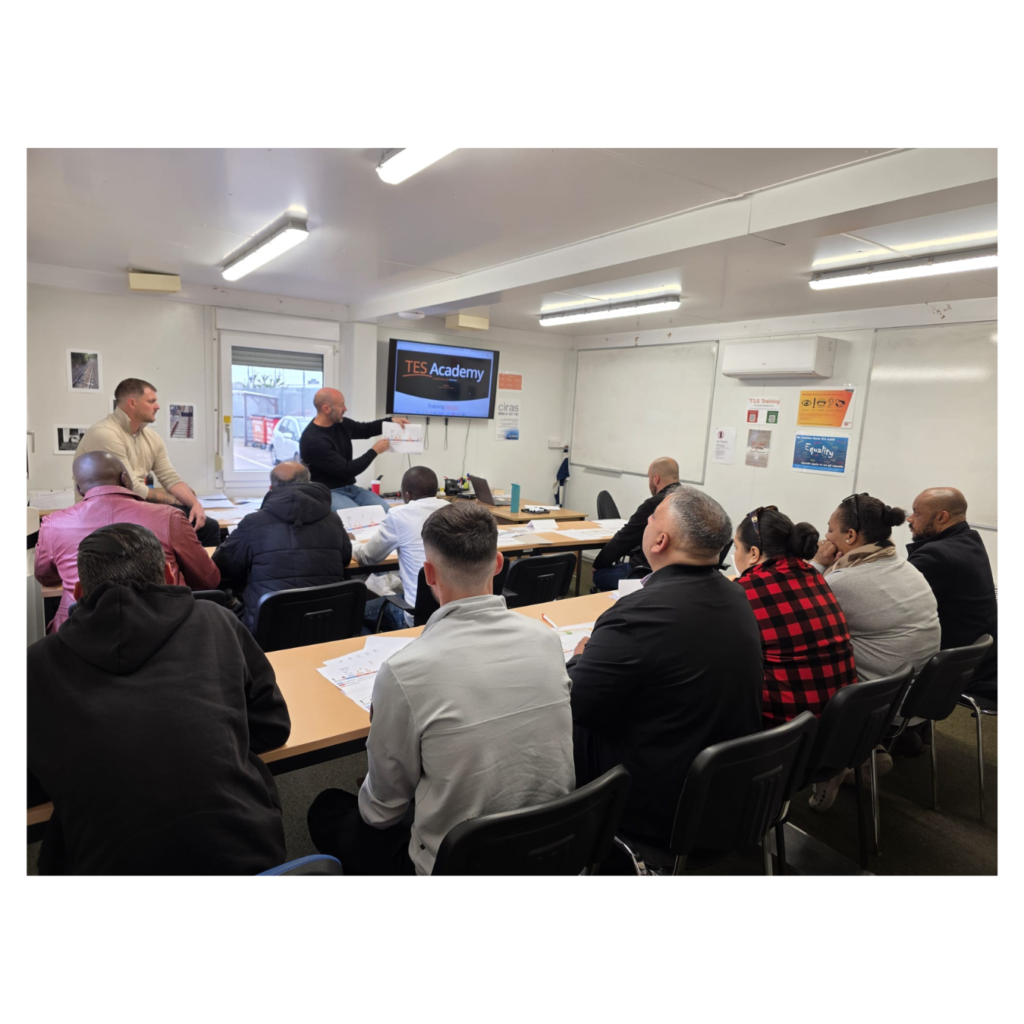
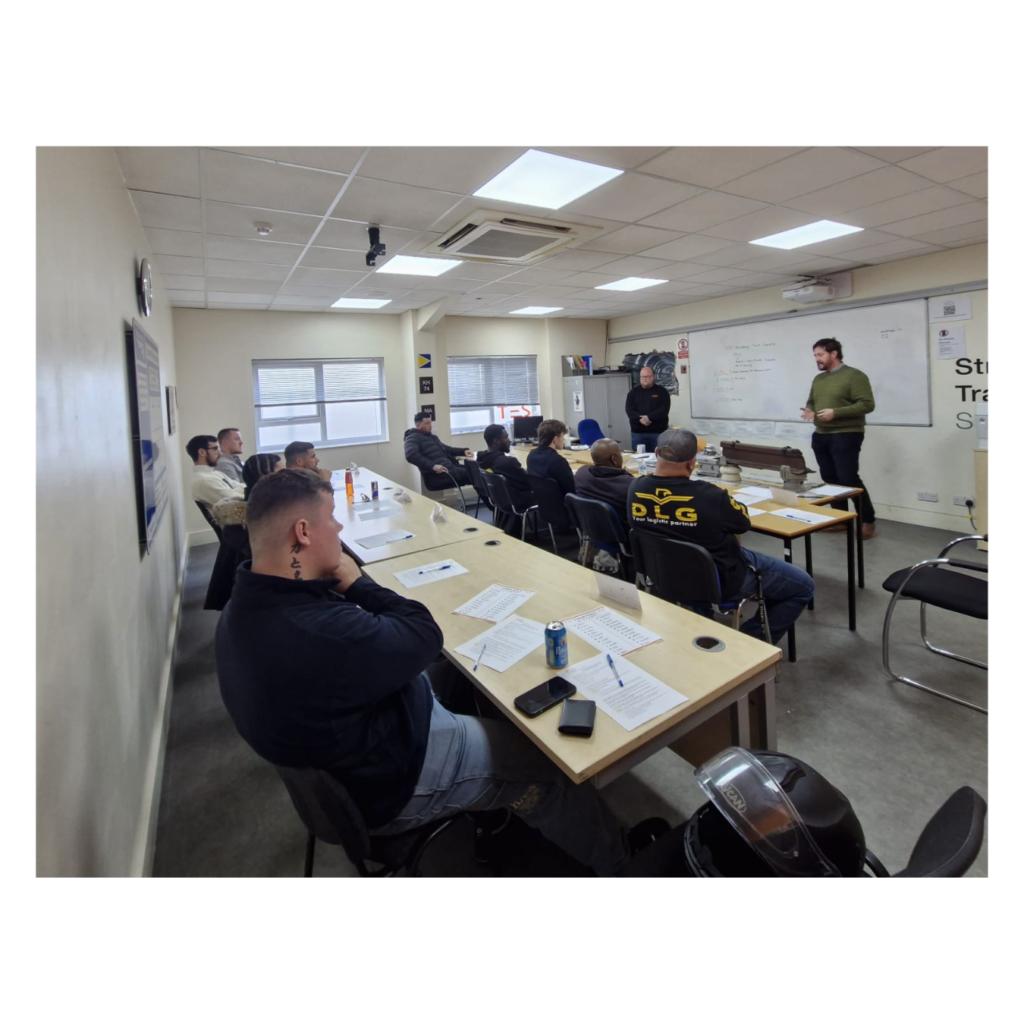
For Carley Anderson, TES’s Talent Acquisition Partner, this reactive model simply doesn’t work. “If you’re only recruiting when you’re desperate, you’re already behind,” she explained. “You end up competing for the same small pool of people who are already railway-trained. At TES, we have learnt from our past and are looking to the future and putting together a comprehensive training programme that invites people into TES from day one with our TES Academy, led by our NSAR Gold Standard Training department.”
TES Academy: Training That Goes Beyond Compliance
The TES Academy (Train, Engage, Succeed) follows a clear progression model. New starters receive role-specific training aligned with their career path, whether that’s track maintenance or possession support. But crucially, the training doesn’t stop once the initial competencies are achieved. “People are consistently mentored, and supported into more senior roles, and we encourage them to develop skills beyond their immediate job,” explained Carley Anderson. “If a trackworker wants to become a COSS, TES works with them to get there.”
This philosophy extends to how TES approaches mandatory recertification. Rather than viewing Sentinel renewals and competency updates as administrative burdens, the company treats them as opportunities for meaningful development conversations.
TES has also introduced innovative support mechanisms, including coloured overlays for learners with dyslexia. This is a small but significant adjustment that recognises neurodiversity and removes unnecessary barriers to learning.
“We want everyone to have the best possible chance to succeed,” Bianca noted. “Sometimes that means adapting how we deliver training, sometimes it means making adjustments by listening and understanding what someone needs.”
Adapting to Industry Demands
The unpredictable nature of railway work, particularly under the current CP7 funding constraints, requires flexibility. TES has responded by developing a cross-utilisation strategy, enabling staff to train and work across different contracts and disciplines as demand fluctuates.
This approach benefits both the business and its employees. It reduces reliance on expensive agency labour, keeps work within the company, and gives employees broader experience and more consistent work opportunities.
Building a Culture People Want to Stay In
Training alone doesn’t guarantee retention. TES has built a culture that prioritises wellbeing, recognition, and genuine two-way communication. This includes a Mental Health and Wellbeing Group with trained Mental Health First Aiders available across the business. “We’ve all had difficult days,” Bianca said. “We want to create an environment where people feel they can speak up, where asking for help is seen as a strength, not a weakness.”
Regular recognition is embedded into company practice. The recent Long Service Awards, held at Colchester United Football Club, celebrated colleagues with 10, 15, 20, 25, and even 30 years of service. This is a testament to the loyalty the company inspires.
“Those awards were emotional,” Bianca recalled. “Seeing people who’ve been with us for decades, hearing their stories, and knowing that we’ve played a part in their working lives – that’s what it’s all about.”
The results of TES’s people-first approach are tangible. The company has successfully reduced agency reliance, maintained strong project delivery standards, and built a workforce with deep industry and route knowledge.
Investing in the Future
As the railway industry continues to evolve, the need for skilled, committed, and well-supported workers will only intensify. TES’s approach offers a blueprint: start early, train thoroughly, support continuously, and treat people as long-term assets rather than short-term resources.
“Together, Everyone Succeeds – that’s not just our tagline, it’s how we operate,” Bianca said. “When our people succeed, our clients succeed, and the railway succeeds. It’s that simple.”
For an industry grappling with workforce challenges, TES’s example demonstrates that sustainable recruitment isn’t about quick fixes or reactive hiring. It’s about building relationships, investing in development, and creating a culture where people want to stay and grow.
TES’s ongoing expansion of the TES Academy, with a Track Operative intake currently underway and North East Possession Support planned for January, signals a continued commitment to this model.
In a sector often characterised by short-term contracts and transient workforces, TES is proving that a different approach is not only possible, it’s more effective.
Partner with a People-First Contractor
In an industry where skills shortages and high turnover can put project delivery at risk, TES offers a different approach. By investing in their own talent pipeline and prioritising the wellbeing of their workforce, they provide their clients with more than just labour; they provide a team of loyal, competent, and safety-focused professionals who are committed to long-term success.
If your organisation values a partnership built on honesty, integrity, and a proven track record of mobilisation and retention, we invite you to discover how TES can support your next infrastructure programme.
Connect with TES today on 01206 799 111 or info@tes2000.co.uk to discuss how their “Together, Everyone Succeeds” philosophy can drive safety and excellence on your sites.