


BAM UK & Ireland has completed a major expansion of Darlington station, delivering new platforms, upgraded passenger facilities and improved accessibility as part of one of the most significant station investments on the East Coast Main Line in recent years.
Delivered in partnership with Network Rail, LNER, Siemens, Central Rail Systems Alliance, Tees Valley Combined Authority, the Department for Transport, Darlington Borough Council and Willmott Dixon, the project represents a major capacity and connectivity boost for the North East.
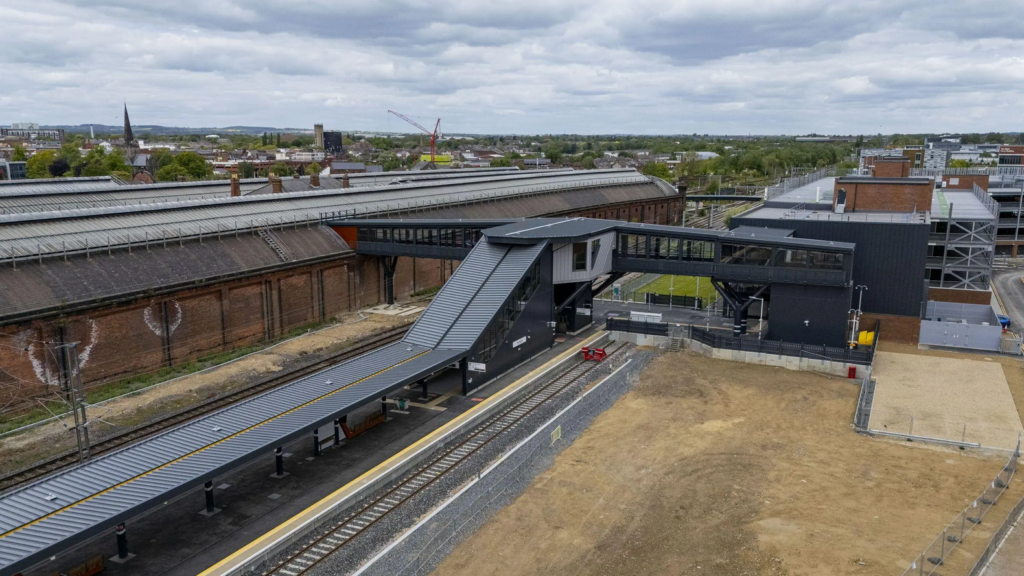
The redevelopment includes two new station platforms, a new 50-tonne step-free footbridge, expanded concourse space, upgraded passenger circulation areas and a new multi-storey car park with more than 600 spaces, including EV charging and accessible bays.
New cycle routes and secure bike storage have also been introduced as part of wider efforts to improve sustainable access to the station.
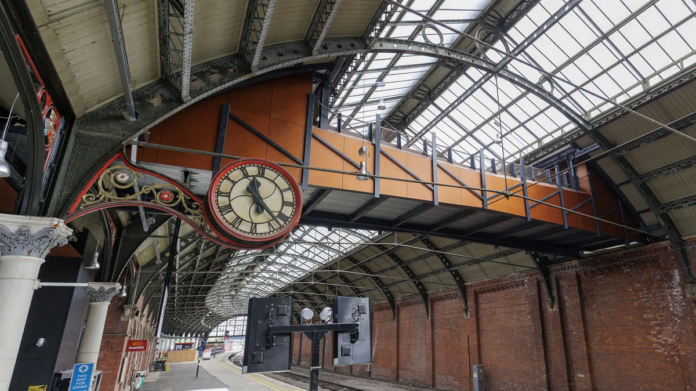
The works were delivered while the station remained fully operational — a significant logistical challenge given Darlington station’s Grade II-listed Victorian heritage.
Richard Prime, Managing Director of Transport at BAM UK & Ireland, said the project required careful integration of modern infrastructure within the historic station environment.
“As a historic, Grade II-listed Victorian building, our team worked hard to ensure the original building was protected in the new platform design,” he said.
He added that the new footbridge had to be assembled in sections outside the station before being precisely slid into place through openings created in the heritage roof structure.
The project forms part of wider rail investment across the East Coast Main Line as the Government pushes ahead with rail reform and the transition towards Great British Railways.
GBR branding now features throughout the station, making Darlington one of the first locations to visibly reflect the industry’s ongoing structural integration under public ownership.
Rail Minister Lord Hendy described the project as an example of the type of infrastructure upgrades expected under Great British Railways.
“Darlington’s station redevelopment with the new platforms is a great example of what the future of Great British Railways holds — essential upgrades making journeys easier, more reliable and better connected,” he said.
Backed by £113 million in government funding, the redevelopment is also expected to support wider economic growth across the Tees Valley and North East, improving rail connectivity and enabling future service expansion.
For rail businesses and suppliers, the scheme highlights several wider trends currently shaping station and infrastructure investment across the UK.
Firstly, it reflects the increasing focus on integrating accessibility improvements into major infrastructure renewals, with step-free access, passenger flow and multimodal connectivity now central to station design.
Secondly, the project demonstrates the growing complexity of delivering upgrades within operational and heritage-sensitive railway environments — an area likely to remain a major opportunity for contractors, engineers and specialist suppliers as Britain’s Victorian rail infrastructure continues modernising.
The project also reinforces the strategic importance of Darlington within the wider East Coast network. LNER Managing Director David Horne said the station had become the fastest-growing location on the operator’s network.
“More than 200 years after the railway story began in Darlington, this transformation marks an exciting new chapter for the town and its people,” he said.
Network Rail’s East Coast Route Director Paul Rutter added that the improvements would provide long-term benefits for passengers while supporting future growth across the route.
The opening event also celebrated Darlington’s railway heritage and wider cultural identity, featuring performances from local musicians and artists linked to the North East’s creative sector.


