


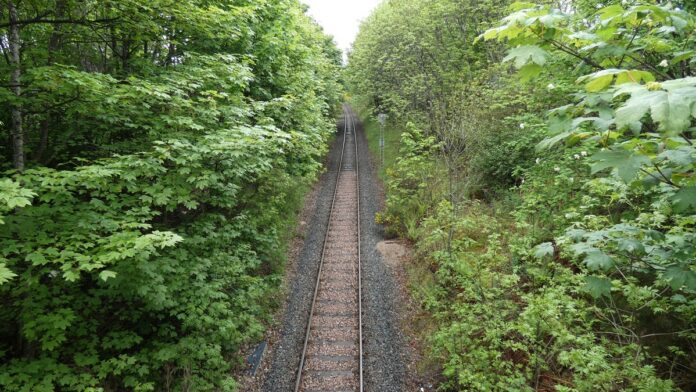
Network Rail Scotland has completed a three-year programme of vegetation inspections in just two months using digital inspection technology, demonstrating how new approaches to infrastructure monitoring can improve efficiency, reduce costs and minimise the need for engineers to work trackside.
Engineering teams in Edinburgh have used Digitised Lineside Inspection (DLI) technology to assess vegetation across their maintenance area, including sections of the East Coast Main Line, one of Britain’s most important intercity railway corridors.
The programme has delivered approximately £55,000 in direct savings while significantly reducing the time required to complete inspections.
The achievement highlights the potential for digital monitoring to transform traditional railway maintenance activities, particularly where inspections have historically required engineers to access operational railway infrastructure.
Moving vegetation inspections away from the track
Digitised Lineside Inspection uses footage captured from trains to provide engineers with a detailed view of vegetation growing alongside the railway.
Instead of routinely walking sections of track to identify potential hazards, maintenance teams can review recorded footage from their depot, assessing vegetation conditions and identifying locations requiring intervention.
This enables engineers to plan targeted maintenance activities while reducing the number of physical inspections needed.
Vegetation management is a significant responsibility for infrastructure operators, with trees, branches and other lineside growth presenting potential risks to railway operations.
Overhanging vegetation can obstruct visibility, interfere with infrastructure and increase the likelihood of disruption during high winds and severe weather.
Falling leaves also create seasonal challenges by reducing adhesion between train wheels and rails, potentially affecting braking and acceleration.
By using digital footage to identify emerging problems, engineers can prioritise maintenance resources and focus physical inspections on locations where further assessment or work is required.
Significant safety and efficiency benefits
One of the principal advantages of DLI is the reduction in time engineers need to spend on or near the operational railway.
Traditional lineside inspections can require carefully planned track access arrangements and expose staff to the hazards associated with working in the railway environment.
Reviewing vegetation remotely allows teams to undertake much of the initial assessment without entering the trackside environment.
This supports Network Rail’s wider objective of reducing workforce exposure to operational risks while maintaining effective infrastructure management.
The Edinburgh programme has also demonstrated substantial productivity improvements.
Completing an inspection cycle that would previously have taken three years in just two months allows engineers to develop a much more timely picture of vegetation conditions across their maintenance area.
This can support earlier identification of risks and more informed decisions about where resources should be deployed.
Network Rail reports that the approach has generated around £55,000 in direct savings in Edinburgh, although it has not provided a detailed breakdown of the savings or confirmed whether similar results are expected elsewhere.
Supporting autumn railway resilience
The introduction of digital vegetation inspections is particularly relevant during autumn, when falling leaves and adverse weather conditions can affect railway performance.
Leaf contamination on the railhead can reduce wheel-rail adhesion, leading to operational difficulties and potentially contributing to delays.
Vegetation can also become a greater concern during periods of strong winds and heavy rainfall, when weakened trees or branches may fall onto railway infrastructure.
DLI provides engineers with an additional means of monitoring these risks and identifying areas where preventive maintenance could reduce the likelihood of disruption.
For routes such as the East Coast Main Line, where infrastructure reliability is important to long-distance passenger services, more efficient vegetation monitoring could support better maintenance planning and operational resilience.
The technology does not eliminate the need for physical inspections or vegetation clearance, but it can help ensure that trackside activity is focused on locations where it is most necessary.
Network Rail praises Edinburgh engineering teams
Tracy Penmen, Track Maintenance Engineer at Network Rail Scotland, said the programme demonstrated how technology could improve both safety and maintenance efficiency.
“This is a brilliant example of how technology is helping us look after the railway more safely and efficiently.
“Completing what would previously have been a three-year inspection cycle in just two months is a fantastic achievement and means our engineers can get a clear picture of where work is needed much more quickly.
“It also means less time spent out on the railway carrying out inspections and more time focused on the places that need our attention.
“The Edinburgh teams have really embraced this new way of working and should be incredibly proud of what they’ve achieved.”
Digital inspection offers wider potential for rail maintenance
The results in Edinburgh provide a practical example of how digital inspection technology can improve the way railway infrastructure is monitored.
For infrastructure managers, the ability to review conditions remotely offers potential benefits in workforce safety, inspection productivity and maintenance planning.
It also creates opportunities to make better use of data collected during routine train movements, reducing reliance on traditional inspection methods that require dedicated track access.
For the wider rail supply chain, the development highlights growing demand for technologies that can capture, process and present infrastructure condition information in ways that support engineering decisions.
However, the effectiveness of these systems depends on the quality of the recorded information and the ability of maintenance teams to identify risks accurately and translate findings into appropriate interventions.
Network Rail has not confirmed whether the Edinburgh approach will be expanded across other maintenance areas, but the reported time savings and reduced trackside exposure provide a strong basis for evaluating wider use.
As Britain’s railway faces continued pressure to improve efficiency while maintaining safety and reliability, the Edinburgh programme demonstrates how relatively targeted digital innovations can deliver measurable operational benefits.
Completing three years of vegetation inspections in two months is a significant productivity improvement, but the wider value lies in enabling engineers to spend less time identifying potential problems and more time addressing the locations that need attention.


