


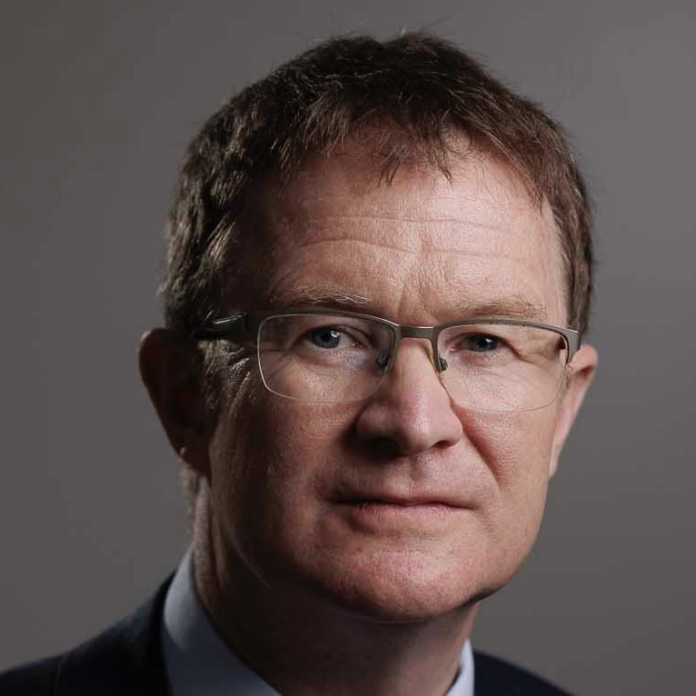
David Horne, Managing Director of London North Eastern Railway (LNER), has been appointed Integrated Chief Customer and Commercial Officer (ICCCO), taking on a new industry-wide leadership role as preparations continue for the establishment of Great British Railways (GBR).
The appointment will bring customer experience and commercial strategy together across Network Rail and the Department for Transport Operator (DFTO), supporting the transition towards a more integrated railway.
Horne will take up the position in November 2026 and will sit on the executive leadership teams of both organisations, providing strategic direction as the industry moves towards GBR.
His responsibilities will include developing and delivering a single customer and commercial strategy for the railway, working with government, passenger operators, freight businesses and other industry partners.
The new role is intended to ensure that decisions about railway operations, infrastructure and commercial development are increasingly informed by the needs of passengers and freight customers.
Bringing customer and commercial priorities together
The creation of the ICCCO position represents another step in the development of integrated leadership arrangements ahead of GBR.
Rather than maintaining separate approaches to customer experience and commercial priorities across infrastructure and train operating organisations, the new structure aims to establish a more coordinated national strategy.
Horne will be responsible for aligning customer insight with commercial decision-making, with a focus on improving passenger and freight customer experiences, increasing revenue and making more effective use of railway capacity and resources.
The appointment also reflects the wider ambition behind GBR to bring track and train operations closer together, reducing organisational barriers that can complicate decision-making.
Integrated leadership arrangements are already being introduced across Network Rail routes and publicly owned train operators, with the new national role intended to support a more consistent approach across the railway.
For the industry, the development could have implications for how customer requirements influence decisions about service provision, infrastructure priorities and commercial opportunities.
Horne brings experience of East Coast integration
Horne has led LNER since 2018, overseeing a period of significant operational and customer-facing developments at the publicly owned East Coast Main Line operator.
During his tenure, LNER introduced its Azuma fleet, developed new passenger facilities including Family Lounges and expanded its digital customer offering through the LNER app.
He has also played a role in strengthening collaboration between LNER and Network Rail’s East Coast Route, an approach that provides experience relevant to the wider integration planned under GBR.
The relationship between the operator and infrastructure manager has been an important part of efforts to improve coordination on one of Britain’s busiest intercity railway corridors.
Horne’s appointment will see him move from leading an individual train operating company to influencing customer and commercial priorities across the wider network.
Alex Hynes, Chief Executive of DFTO, said: “David brings a wealth of experience, particularly in driving real, tangible change that matters to customers.
“From delivering modern trains to introducing simpler ticketing, he has shown how public ownership can deliver for the people and places it serves. His focus now turns to putting customers at the heart of a new era for Britain’s railway, as we accelerate towards GBR.”
Freight customers included in national strategy
A notable aspect of the new role is its explicit responsibility for both passenger and freight customers.
While much of the discussion surrounding GBR has focused on passenger services, freight operators and their customers also depend on the national railway infrastructure and its capacity.
Horne will work with the freight sector as part of developing the integrated commercial strategy, helping ensure its requirements are considered alongside passenger priorities.
This could include broader questions about how the railway makes best use of available capacity, supports commercial growth and responds to changing customer demand.
The appointment does not establish specific new policies for freight access or capacity allocation, but it places freight customer interests within the remit of a senior national leadership position.
For freight operators, the effectiveness of this arrangement will depend on how their commercial and operational requirements are reflected in future decisions.
Network Rail backs customer-focused approach
Jeremy Westlake, Chief Executive of Network Rail, said: “As we move towards GBR, we have a real opportunity to put passengers and freight customers at the heart of how we run the railway.
“That means making journeys simpler, more accessible and more reliable, and making it easier for people to choose rail. We’re delighted that David will be leading this work and helping us turn that ambition into real improvements for our customers.”
The appointment comes as Network Rail and DFTO continue to develop arrangements that will support the eventual creation of GBR.
By placing senior leaders across both executive teams, the organisations aim to improve coordination before the new railway body is formally established.
The approach is intended to enable more integrated decisions during the transition, rather than waiting until the completion of the legislative and organisational changes.
Another step towards an integrated railway
The establishment of a national customer and commercial leadership position follows wider changes to the industry’s management arrangements as GBR takes shape.
The transition is intended to create a railway in which decisions about infrastructure, train operations and customer services are made with greater coordination.
For passengers, the stated priorities include simpler journeys, improved accessibility and reliability.
For freight customers, the focus includes ensuring that the railway responds effectively to commercial requirements and supports opportunities for growth.
The new role will also have responsibility for identifying ways to increase revenue and improve the utilisation of the railway as a whole.
For suppliers and industry partners, a more unified commercial strategy could provide greater clarity about the priorities shaping future investment and service development, although the practical implications will emerge as the strategy is developed.
Horne’s appointment is therefore significant not simply as a senior personnel change, but as part of the effort to establish a different approach to railway leadership.
With integrated arrangements developing at both route and national levels, the industry is beginning to put in place the management structures intended to operate under GBR.
The next test will be whether these arrangements translate into measurable improvements in customer experience, commercial performance and coordination between the organisations responsible for Britain’s railway.


