


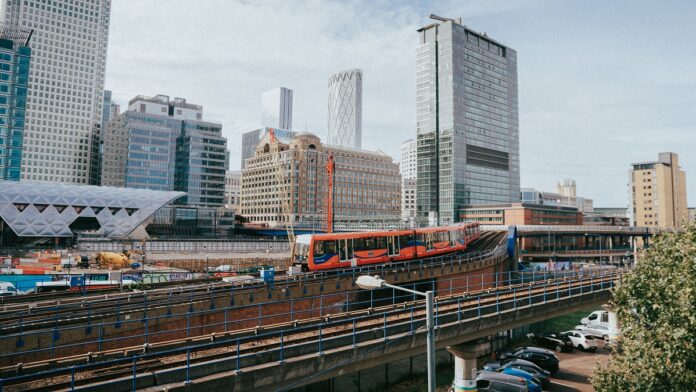
Transport for London (TfL) has reported strong public support for its proposed Docklands Light Railway (DLR) extension to Beckton Riverside and Thamesmead, bringing plans for a new rail crossing beneath the River Thames a step closer to the formal approval process.
The proposed extension would provide Thamesmead with its first rail connection, creating new links between east and southeast London while supporting major housing development and regeneration opportunities on both sides of the river.
Results from TfL’s latest consultation, held between 5 June and 16 July 2026, show continued backing for the scheme, with 553 responses received from residents, businesses and stakeholder organisations.
The feedback will inform the next stage of design and development ahead of a planned Transport and Works Act Order (TWAO) application in 2027.
The scheme is being developed as a major transport intervention intended to address longstanding connectivity challenges in Thamesmead and support the delivery of thousands of new homes and jobs.
New Thames crossing to connect growing communities
The proposed DLR extension would introduce new stations at Beckton Riverside and Thamesmead, connected by a tunnel beneath the River Thames.
The project would extend the reach of London’s automated light rail network into areas currently without direct rail access, improving connections to employment, education and services.
For Thamesmead, the introduction of a DLR station would represent a significant change to public transport provision, offering residents a rail connection to the wider London network.
The extension is also closely linked to plans for regeneration and housing development in Beckton Riverside and Thamesmead, where improved transport capacity is considered an important requirement for supporting future growth.
The scheme could help unlock substantial development opportunities, although the scale and timing of new housing and employment will depend on wider planning and investment decisions.
Deputy Mayor for Transport Seb Dance said: “It’s great that we have reached the next milestone of this vital project, following the Government’s backing of our plans in last year’s budget. This scheme has the potential to transform travel in a part of the capital that has historically lacked the public transport connections it needs.
“It will unlock thousands of new homes and jobs, and boost economic growth across the capital and beyond, as we work to build a greener, fairer and more prosperous London for all.”
Consultation highlights accessibility and future expansion
TfL received 527 responses from members of the public and 26 from stakeholder organisations during the six-week consultation.
The exercise focused on the proposed design of the new stations, how passengers would access them and the construction methods that could be used to deliver the extension.
Respondents highlighted improved public transport connectivity, regeneration and access to employment as important potential benefits.
Accessibility was also a recurring theme, with participants emphasising the importance of fully accessible stations and convenient connections to surrounding communities.
Safe walking and cycling routes, integration with local bus services and the quality of station access were identified as priorities.
Some respondents also called for the scheme to accommodate potential future extensions beyond Thamesmead, ensuring that the infrastructure does not unnecessarily constrain longer-term expansion of the DLR network.
These considerations will be important as TfL develops more detailed designs for the proposed stations and their surrounding transport connections.
Construction impacts remain a concern
While TfL reported strong support for the extension, the consultation also identified concerns about the disruption associated with delivering the project.
Respondents raised issues including construction traffic, noise and potential environmental effects.
The development of a new railway tunnel beneath the Thames, together with stations and associated infrastructure, would require substantial construction activity in areas undergoing wider regeneration.
TfL says these concerns will continue to be considered as the proposals are refined.
For the rail engineering and construction sectors, the project would involve complex infrastructure delivery, including tunnelling, station construction and integration with the existing DLR network.
However, the scheme remains at the development and approvals stage, and the consultation results do not represent formal permission to proceed with construction.
TfL prepares for formal approval process
Alex Williams, TfL’s Chief Customer and Strategy Officer, said: “Thank you to everyone who took part in our latest consultation on plans to extend the DLR to Beckton Riverside and Thamesmead.
“The responses we received show continued strong support for the scheme and recognise the important role it could play in improving public transport connections, supporting new homes and jobs, and unlocking growth on both sides of the River Thames.
“We have carefully considered the feedback received and will use it to help develop the proposals further as we continue working towards submitting an application for permission to build and operate the scheme.”
TfL intends to use the consultation findings to inform its planned TWAO application in 2027.
The application would seek the statutory powers required to construct and operate the extension, with the proposals subject to the relevant examination and decision-making processes.
TfL will continue working with the Mayor of London, the Royal Borough of Greenwich, the London Borough of Newham, Homes England and other stakeholders as the project develops.
Local leaders back regeneration potential
The proposals have also received support from local political representatives, who see improved transport connectivity as central to the future development of Thamesmead and Beckton Riverside.
Abena Oppong-Asare, MP for Erith and Thamesmead, said: “It is encouraging to see strong support for bringing the DLR to Thamesmead, something I have campaigned for since I was first elected. Residents have waited far too long for the connections they deserve. This extension could make everyday journeys easier and open up access to jobs, education and new homes.
“Thank you to everyone who shared their views. I will keep working with TfL, the Mayor, Greenwich Council and our partners to deliver this vital link, ensuring local voices shape the plans and existing communities benefit.”
James Asser, MP for West Ham and Beckton, also welcomed the consultation findings, highlighting the potential for investment, employment and improved connections in east London.
Forhad Hussain, Mayor of Newham, said the feedback demonstrated the importance residents place on housing and transport infrastructure, while Councillor Anthony Okereke, Leader of the Royal Borough of Greenwich, described a new DLR station as a potential game changer for Thamesmead.
The strong local backing provides momentum for the project as TfL progresses towards the statutory approvals process.
Significant opportunity for the rail infrastructure sector
The proposed extension represents a potentially important future programme for the UK’s light rail and infrastructure supply chain.
Delivering a new cross-river railway connection would require expertise across tunnelling, civil engineering, station design, railway systems and integration with the existing DLR network.
The scheme also demonstrates the increasing relationship between transport investment and housing-led regeneration, with new railway infrastructure being developed to support wider economic and social objectives.
For TfL, the next challenge will be translating the consultation feedback into a deliverable scheme that balances connectivity improvements with construction impacts, affordability and local requirements.
The planned 2027 TWAO application will be a significant milestone in determining how the project progresses.
If approved and delivered, the extension would provide Thamesmead with its first direct rail connection and establish a new public transport link beneath the Thames, supporting the long-term development of communities on both sides of the river.


