


The government has set a new target to increase rail freight by at least 40% by 2040, putting freight growth at the heart of Great British Railways’ remit and giving the sector its first major milestone towards the longer-term ambition of 75% growth by 2050.
Announced as the Railways Bill begins its committee stage in the House of Lords, the target is intended to give freight operators, customers and the supply chain greater confidence to invest in locomotives, terminals, technology and other capacity needed to move more goods by rail.
Great British Railways (GBR) will be given strategic oversight of network access and two specific duties to support freight growth, while a dedicated member of the GBR board will have responsibility for freight.
The measures address a longstanding concern within the freight sector: that growth ambitions need to be reflected in decisions about railway capacity and investment rather than treated separately from the needs of passenger services.
Freight given a stronger position within GBR
Rail freight currently moves goods worth almost £34 billion each year to the UK economy. The government estimates meeting the 2040 target could increase that by around £15 billion.
The potential growth spans both established bulk markets and expanding intermodal traffic.
Network Rail estimates the targets could lead to a 45% increase in the movement of construction materials by rail, while traffic involving products including cars, wine, white goods and medicines could rise by around two-thirds.
For an industry increasingly focused on expanding beyond traditional freight markets, that represents a substantial opportunity.
Transport Secretary Heidi Alexander said: “Great British Railways will have a clear mission to help grow our economy by moving more of the goods British businesses rely on.
“Our new target gives the rail freight industry the certainty it needs to invest, helping businesses move more products, deliver the materials needed to build new homes and infrastructure and support jobs across the country.”
Capacity will be critical to delivering growth
Setting a target, however, is only the beginning. Achieving 40% growth will require the railway to accommodate substantially more freight trains alongside passenger services.
GBR’s control over network access could become particularly significant here.
Freight operators need commercially viable paths that reflect the requirements of their customers, while slower and heavier freight trains can be difficult to accommodate on intensively used mixed-traffic routes.
Infrastructure capability will also matter. Longer and heavier trains, suitable loading gauges, terminal capacity and reliable access to major ports and logistics hubs will all influence how quickly additional volumes can move from road to rail.
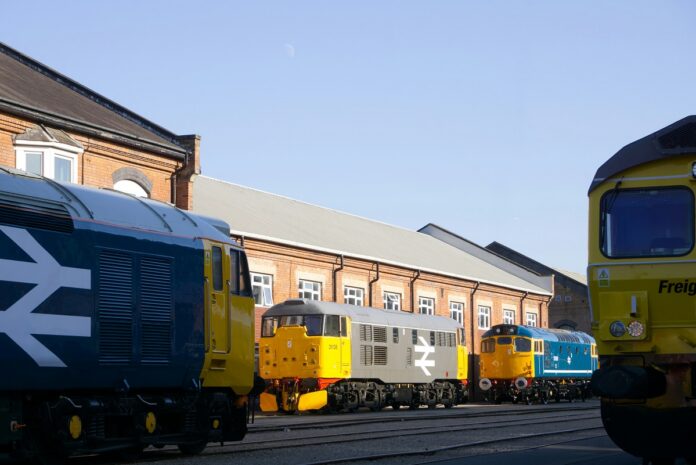
The recent introduction of new locomotives such as GB Railfreight’s Class 99 also demonstrates that operators are already investing in equipment intended to improve performance and make greater use of existing electrification.
But private-sector investment will depend partly on confidence that sufficient network capacity will exist to use those assets commercially.
Jeremy Westlake, Network Rail’s Chief Executive, said: “Increasing the role of freight on the railway is not just good for economic growth; it reduces congestion on our roads, cuts carbon emissions and supports our ambition to build a cleaner, more resilient transport system.
“We fully support the government’s target, which sets a clear direction of travel and rightly demonstrates just how critical the role of rail freight is and we will continue to work with partners to make this ambition a reality.”
New opportunities for rail supply chain
A sustained 40% increase in freight could have implications well beyond the freight operating companies themselves.
Additional volumes are likely to increase demand across terminals, wagons, locomotives, maintenance, signalling, digital technology and infrastructure enhancement, while potentially strengthening the business case for projects that remove constraints from strategically important freight corridors.
Terminal development will be especially important. Moving additional containers and other goods by rail requires capacity at both ends of the journey, meaning planning policy, land availability and connections into the national network will need to support the government’s ambitions.
The new target also comes as freight is gaining a stronger position in wider infrastructure policy, with recent planning reforms giving greater recognition to rail freight terminals and intermodal facilities.
Maggie Simpson OBE, Director General of the Rail Freight Group, said: “We welcome this announcement as a further signal of government’s commitment to growing rail freight.
“There are huge opportunities for moving more goods by rail and the sector stands ready to fulfil government’s bold targets for growth, making an even stronger contribution to the nation’s productivity, development and resilience.”
From ambition to delivery
The environmental case is also significant. The government estimates achieving the target could avoid up to one million tonnes of CO2 emissions annually compared with moving the same goods by road, while additional rail freight could reduce pressure on Britain’s road network.
But the success of the policy will ultimately depend on whether the 40% target influences everyday decisions about capacity, infrastructure and investment.
Creating a dedicated freight voice on the GBR board and placing statutory duties around freight growth provides a stronger institutional foundation than a target alone.
For freight operators and their customers, the key question will now be whether those commitments translate into more usable train paths, targeted infrastructure investment and a planning environment that allows new terminal capacity to be delivered.
The 40% target establishes where government wants rail freight to be by 2040. The more important task for GBR will be ensuring the railway has the capacity and capability to get there.


